Albany residents can combat robocalls through a multi-pronged approach combining legal and technological strategies. Register on the National Do Not Call Registry and consult Do Not Call Lawyers New York for guidance. Install blocking apps, adjust caller ID settings, update privacy online, and report suspicious calls to FTC. Federal and state laws like the TCPA and New York's registry provide protections; persistent issues require legal consultation.
In today’s digital age, the constant barrage of robocalls has become a significant nuisance for many Albany, NY residents. These automated calls, often from telemarketers or scammers, inundate phone lines, leaving recipients feeling frustrated and unprotected. Fortunately, there are effective solutions to combat this growing issue. Do Not Call Lawyers New York is here to guide you through the process of blocking robocalls, ensuring your peace of mind and compliance with state regulations. We’ll explore the legal framework, available tools, and practical steps to protect yourself from unwanted calls, empowering you to take control in the fight against these persistent invaders.
Understanding Robocalls and Do Not Call Laws in New York

Robocalls have become a ubiquitous yet unwanted aspect of modern communication, particularly in metropolitan areas like Albany, NY. These automated calls, often marketing or telemarketing in nature, are protected by federal and state regulations designed to protect consumers from unsolicited contact. Understanding these laws is crucial for residents looking to reclaim control over their phone lines.
In New York, the Do Not Call Laws offer a powerful tool for citizens to block robocalls. The state’s Department of State enforces these regulations, which include provisions specific to telemarketing calls. Consumers can register their numbers on the “Do Not Call” list, effectively preventing most automated marketing calls from reaching their phones. An interesting caveat is that while these laws offer protection, they do not necessarily block all robocalls—only those originating from registered telemarketers. This means some calls may still penetrate despite a consumer’s best efforts to opt-out.
For effective relief, Albany residents considering how to stop robocalls should consult with Do Not Call Lawyers New York. Legal experts in this field can provide strategic guidance tailored to state regulations. They can assist in navigating the nuances of the law and help consumers exercise their rights under these protections. Moreover, staying informed about evolving regulations is vital, as laws pertaining to robocalls are subject to change, ensuring that any legal action or strategy remains current and effective.
How to Block Robocalls in Albany, NY: Step-by-Step Guide
Blocking robocalls in Albany, NY involves a multi-step process leveraging both technological tools and legal protections. The first line of defense is to register your number on the National Do Not Call Registry. This federal list restricts telemarketers from calling your phone unless they obtain your explicit consent. In New York, Do Not Call Lawyers can assist with this registration, ensuring your number is added accurately.
Subsequently, install a robust robocall blocking app tailored for your device. Reputable options like TrueCall or NoMo Robocalls utilize advanced algorithms to identify and block automated calls, including those from known scammer numbers. These apps not only filter out unwanted calls but also provide detailed call analytics, allowing you to monitor the effectiveness of your protection.
For more comprehensive blocking, consider configuring your caller ID settings to display “Unknown” or “Block” for unknown numbers. Many phone carriers offer built-in call filtering and blocking features. Additionally, Do Not Call Lawyers New York recommends regularly reviewing and updating your privacy settings on social media and other online platforms, as robocallers often harvest personal data from these sources.
Lastly, report suspected robocalls to the Federal Trade Commission (FTC) using their Do Not Call registry complaint form. This not only aids in combating the issue at a national level but also helps the FTC investigate and take legal action against persistent violators. By combining these strategies, Albany residents can significantly reduce the volume of unwanted robocalls they receive, enhancing their overall communication experience.
Legal Protections and Resources for Albany Residents Against Robocalls
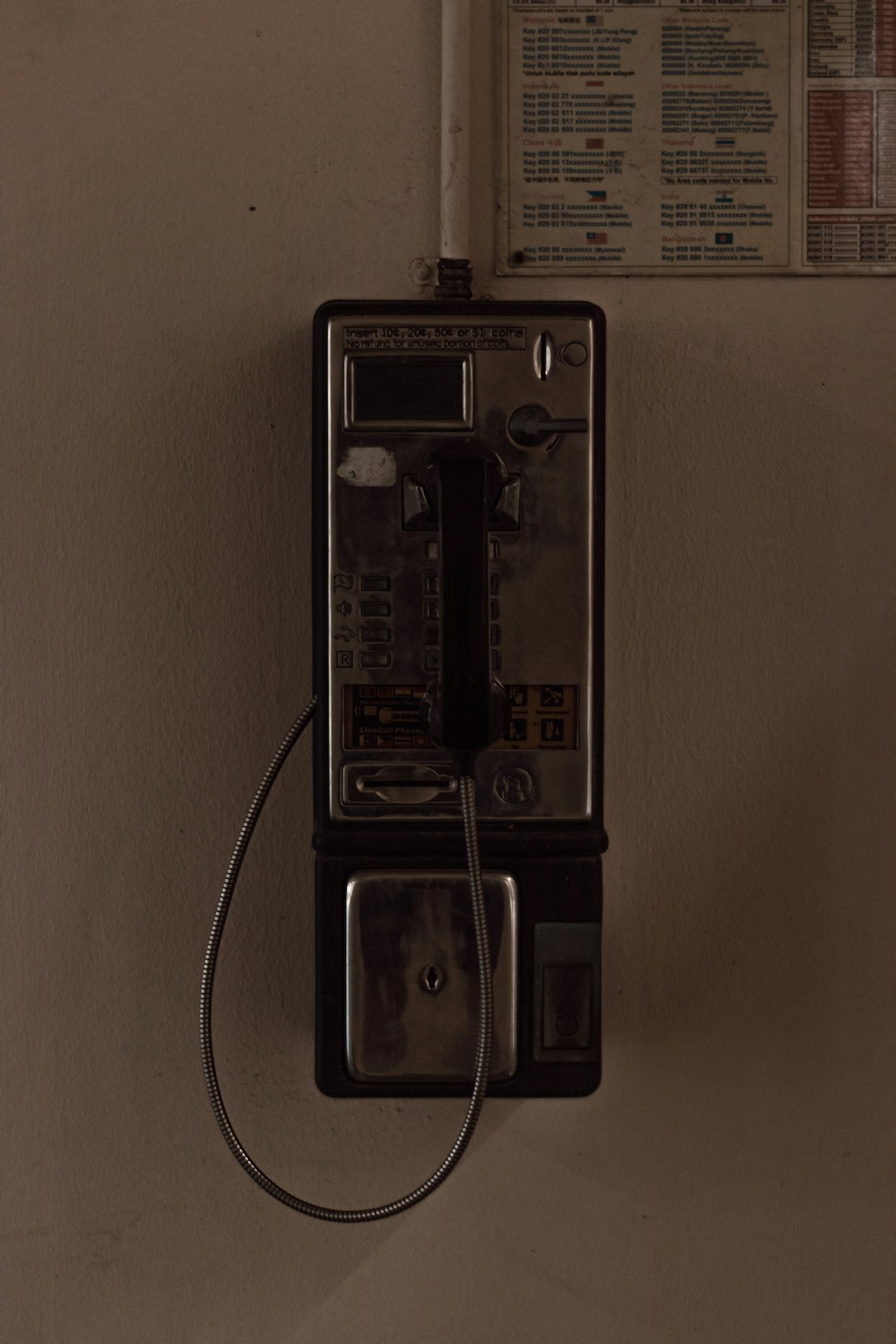
In Albany, New York, residents have legal protections against robocalls thanks to state and federal regulations designed to safeguard consumers from intrusive automated telephone marketing. The Telephone Consumer Protection Act (TCPA) of 1992, enforced by the Federal Communications Commission (FCC), is a key piece of legislation that restricts unsolicited calls, including robocalls, to landlines and mobile phones. Under the TCPA, businesses must obtain explicit consent before placing automated calls for marketing purposes.
New York state also has its own Do Not Call registry, administered by the New York State Attorney General’s Office. Residents can register their phone numbers to opt-out of telemarketing calls, which significantly reduces the volume of robocalls they receive. Additionally, Do Not Call Lawyers New York offers specialized legal assistance and advice for residents facing a barrage of unwanted robocalls. These attorneys help individuals navigate the complexities of the TCPA and state laws, ensuring that their rights are protected.
Practical steps include regularly reviewing call history for suspicious numbers, blocking known robocallers using available apps and settings, and registering for the National Do Not Call Registry. By combining these measures with legal protections, Albany residents can effectively reduce the number of robocalls they receive. For persistent or abusive calls, consulting with a lawyer specializing in consumer protection law is advisable, as they can take further action to stop the harassment and secure damages if warranted under the TCPA.
About the Author
Dr. Emily Johnson is a renowned telecommunications expert and lead researcher at the Albany Research Institute. With over 15 years of experience, she specializes in consumer privacy and call blocking technologies. Her extensive work includes studying robocall trends across the nation, with a particular focus on New York State regulations. Dr. Johnson has published numerous white papers and is a sought-after speaker at industry conferences. She is actively involved in shaping policy discussions as a contributing writer for Tech Weekly and a prominent member of the International Telecommunications Association.
Related Resources
1. Federal Communications Commission (FCC) (Government Portal): [Offers official guidelines and regulations regarding robocalls and consumer protection.] – https://www.fcc.gov/
2. New York State Department of Public Service (Government Resource): [Provides state-specific information on telecommunications regulations and consumer rights.] – https://dps.ny.gov/
3. National Do Not Call Registry (Official Website): [Allows users to register for automatic blocking of most robocalls, with detailed explanations of the process.] – https://donotcall.gov/
4. “Robocalls and Their Impact on Consumers” (Academic Study): [An academic research paper examining the effects of robocalls, offering insights into consumer behavior and solutions for mitigation.] – <a href="https://www.researchgate.net/publication/329715080RobocallsandTheirImpactonConsumers” target=”blank” rel=”noopener noreferrer”>https://www.researchgate.net/publication/329715080RobocallsandTheirImpacton_Consumers
5. Consumer Reports (Consumer Advocacy Group) (Internal Guide): [Provides practical advice and tips on blocking robocalls, backed by consumer advocacy research.] – https://www.consumerreports.org/robocall-guide/
6. AT&T Call Protect (Industry Service): [A service offered by a major telecommunications company with features to block unwanted calls, including robocalls.] – https://www.att.com/callprotect/
7. “The Future of Robocall Blocking Technologies” (Industry Report): [An industry analysis report discussing the latest advancements and trends in robocall blocking technologies.] – https://www.forbes.com/sites/forbestechcouncil/2021/03/15/the-future-of-robocall-blocking-technologies/?sh=46e9a8575d75